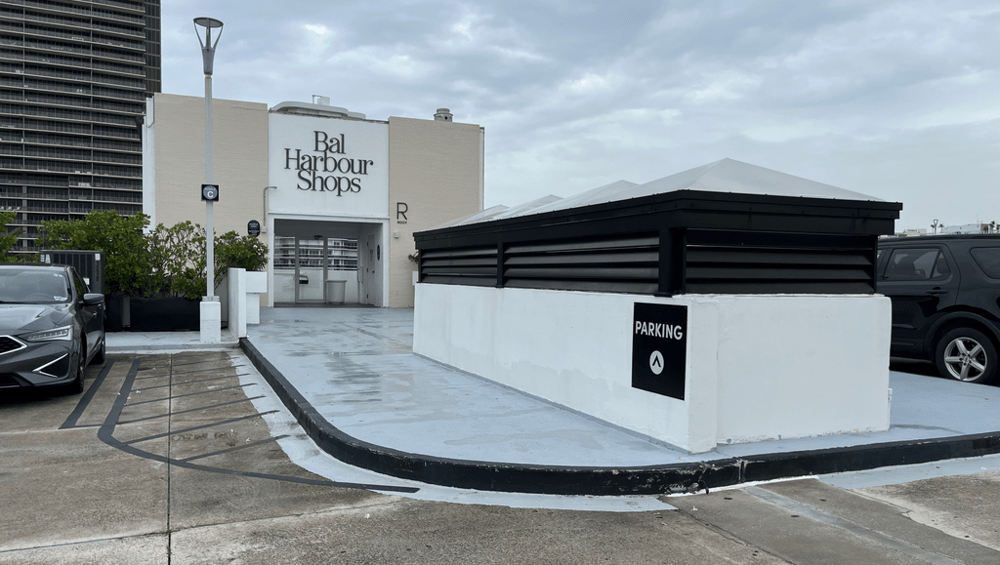
Bal Harbour has long positioned itself as a refined, luxury-driven destination. Known for its pristine beaches, upscale hotels, and the world-renowned Bal Harbour Shops, the village attracts travelers seeking privacy, sophistication, and premium experiences. If recreational cannabis were legalized in Florida, it would introduce a new dynamic into this carefully curated tourism ecosystem—one that could subtly reshape visitor expectations, business opportunities, and local conversations.
For many travelers, cannabis legalization signals choice rather than disruption. In other destinations where recreational cannabis is legal, such as parts of California, Nevada, and Massachusetts, tourists rarely come solely for cannabis. Instead, they appreciate the ability to enjoy it responsibly alongside dining, wellness, nightlife, and leisure. In Bal Harbour, recreational cannabis would likely function the same way: an added amenity rather than a defining attraction.
One of the most noticeable changes would be in traveler demographics. Bal Harbour already draws international visitors, affluent couples, and wellness-focused guests. Legal recreational cannabis could appeal to health-conscious travelers who prefer low-dose edibles, infused beverages, or cannabis-adjacent wellness products such as topicals. These consumers often overlap with spa-goers, yoga enthusiasts, and luxury shoppers, aligning more closely with Bal Harbour’s existing brand than with party-centric cannabis tourism.
Hospitality businesses would also feel the ripple effects. While Bal Harbour is unlikely to welcome cannabis dispensaries directly within its borders due to zoning preferences and community standards, nearby access could still influence hotel policies, concierge services, and guest education. Hotels in legalized markets often provide clear guidance on where consumption is permitted, how guests can store products safely, and how to remain compliant with local laws. This type of discreet, informational approach would fit Bal Harbour’s polished hospitality style.
Retail tourism could see indirect benefits as well. Luxury shopping destinations in cannabis-legal states have found that relaxed, experience-driven travelers often spend more time browsing and dining. Cannabis, when consumed responsibly, can enhance leisure activities such as beach walks, art appreciation, and fine dining for some visitors. While consumption would remain restricted to private residences or approved spaces, the overall mood of longer stays and slower, experiential travel could complement Bal Harbour’s high-end retail environment.
There would also be important conversations around regulation and community standards. Bal Harbour has historically taken a cautious approach to change, prioritizing resident quality of life. Even with statewide legalization, local ordinances would still govern retail locations, public consumption, and enforcement. This means recreational cannabis would not suddenly alter the village’s atmosphere but instead be integrated thoughtfully, if at all, with clear boundaries.
Tourism marketing would likely remain understated. Unlike destinations that actively brand themselves around cannabis culture, Bal Harbour would probably emphasize discretion, wellness, and responsible adult use—if it addressed cannabis at all. The village’s appeal would continue to rest on exclusivity, safety, and elegance, with cannabis simply existing in the background as a legal option for adults who already use it.
Ultimately, recreational cannabis would not redefine Bal Harbour tourism, but it could modernize it. For visitors accustomed to legalization elsewhere, Florida’s entry into the recreational market would remove uncertainty and align the state with evolving travel norms. In Bal Harbour, that shift would be subtle, controlled, and shaped by the same principles that have always guided the destination: luxury, restraint, and a carefully protected sense of place.